

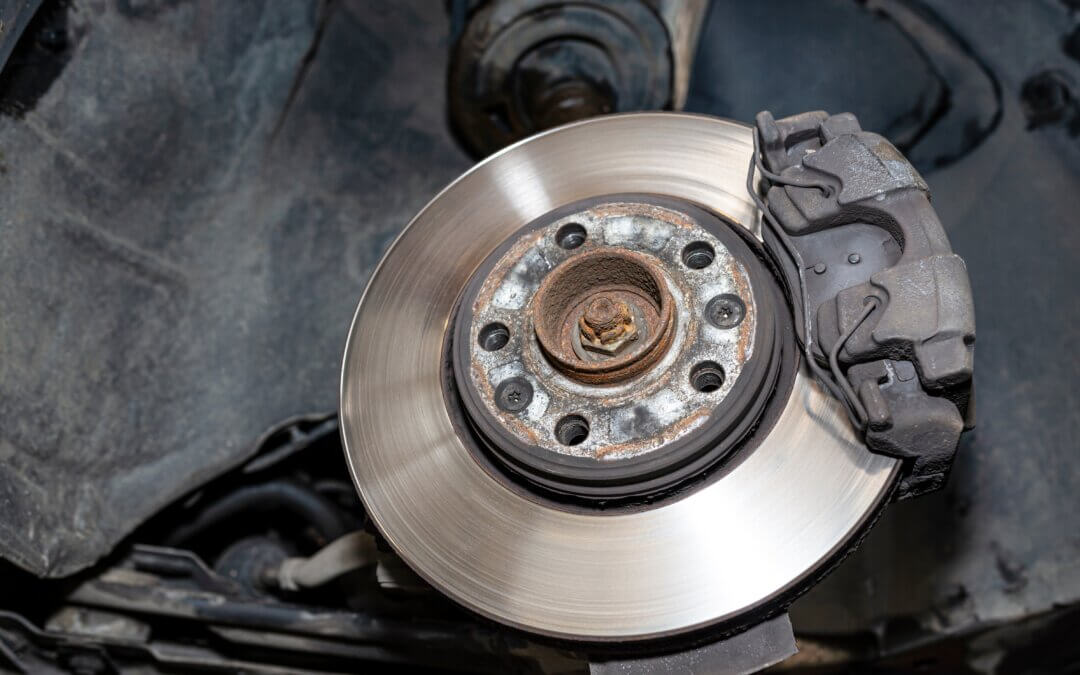
 Your car’s brake system is one of its most essential safety features. Without properly functioning brakes, you’re putting yourself, your passengers, and other drivers at serious risk. Yet, many drivers ignore or delay repairs because they don’t recognize the early signs you need new brakes.
In this guide, we’re breaking down the 10 most important signs you need new brakes, so you can catch problems early and avoid costly repairs down the road. If you’re in Blaine, MN, or nearby, this is the information you need to know before scheduling brake service.
1. Squealing or Screeching Noises
One of the earliest and most common signs you need new brakes is a high-pitched squeal when you press the brake pedal. This is usually the sound of your brake pad wear indicators — small metal tabs designed to make noise when the pads are worn down.
Why It Matters:
This noise indicates your pads are nearly gone. Replacing them now can save your rotors from damage.
2. Grinding Sounds
If your brakes are making a loud grinding noise, you’ve likely waited too long. This usually means your brake pads have worn down completely and the metal backing plates are now grinding against your rotors.
Why It Matters:
Grinding is one of the most dangerous signs you need new brakes. Metal-on-metal contact can cause rotor warping or damage that requires expensive replacement.
3. Vibrations or Shaking When Braking
If your steering wheel or brake pedal vibrates while braking, this could be a sign of warped rotors or uneven pad wear.
Why It Matters:
This is more than just an annoyance — it’s one of the clearest signs you need new brakes. Warped rotors reduce braking efficiency and can affect your ability to stop in an emergency.
4. Longer Stopping Distances
Are you noticing that your car takes longer to come to a stop than it used to? That’s a serious red flag.
Why It Matters:
Increased stopping distance is one of the most dangerous signs you need new brakes. It puts you at higher risk of rear-end collisions or other accidents.
5. Brake Warning Light Is On
Many modern vehicles have sensors that monitor your brake system. If your brake warning light appears on your dashboard, it’s a sign that something isn’t right.
Why It Matters:
This could signal anything from low brake fluid to worn-out pads or a failing ABS system. Don’t ignore it—get your brakes checked immediately.
6. Soft or Spongy Brake Pedal
If your brake pedal feels soft or spongy, it might indicate air in the brake lines or a problem with the master cylinder.
Why It Matters:
Reduced brake pressure is a critical issue. A soft pedal is one of the more serious signs you need new brakes and can drastically affect stopping power.
7. Pulling to One Side When Braking
When applying the brakes, your vehicle should stop straight. If it pulls left or right, your braking system may be working unevenly.
Why It Matters:
This could be due to uneven brake pad wear, a stuck caliper, or contaminated brake fluid. All are clear signs you need new brakes and should be inspected.
8. Visible Pad Wear
You can often visually inspect your brake pads through your wheel spokes. If you see less than 1/4 inch of pad material, it’s time to replace them.
Why It Matters:
Thin brake pads are ineffective and dangerous. Routine inspections can help you spot signs you need new brakes before performance becomes an issue.
9. Leaking Brake Fluid
If you see a clear or yellowish puddle under your car near a wheel or under the engine bay, it could be brake fluid.
Why It Matters:
Brake fluid is essential for creating hydraulic pressure. A leak can cause total brake failure. This is one of the most urgent signs you need new brakes or at least immediate brake system repair.
10. Burning Smell While Braking
If you notice a sharp, chemical odor after repeated braking—especially downhill—it may be your brakes overheating.
Why It Matters:
Overheated brakes can cause your brake fluid to boil and result in brake failure. It’s a less common but still critical sign you need new brakes or at least a system inspection.
How Often Should You Replace Your Brakes?
Knowing the signs you need new brakes is vital, but regular maintenance matters too. On average:
-
Brake Pads: Replace every 25,000 to 70,000 miles
-
Brake Rotors: Replace or resurface every 50,000 to 70,000 miles
-
Brake Fluid: Change every 2 years or 30,000 miles
Driving in a city like Blaine, MN, with stop-and-go traffic and seasonal weather changes, may cause your brakes to wear faster.
What Happens If You Ignore the Signs?
Failing to act on the signs you need new brakes can lead to:
-
Complete brake failure
-
Higher repair costs (rotors, calipers, brake lines)
-
Increased risk of accidents
-
Insurance liability and injury
Ignoring minor issues can turn a $150 brake pad replacement into a $1,500 brake system overhaul.
Trusted Brake Service in Blaine, MN
If you’ve noticed one or more of these signs you need new brakes, don’t wait until it’s too late. At Service Garage of Blaine, we offer:
-
Free brake inspections
-
Honest repair estimates
-
Certified technicians
-
Fast turnaround times
-
Local reputation you can trust
We proudly serve drivers in Blaine and surrounding areas like Lino Lakes, Coon Rapids, and Andover. Whether it’s a squeak, vibration, or warning light, our experts can diagnose and fix it fast.
Final Thoughts
Recognizing the signs you need new brakes could save you from dangerous situations on the road. Whether it’s squeaking, pulling to one side, or a soft pedal, these indicators are your car’s way of warning you that something’s wrong.
Stay ahead of the issue—schedule your brake inspection today and protect your investment, your passengers, and your peace of mind.
Sources:
-
NAPA Auto Parts – Brake Warning Signs
https://www.napaonline.com/en/advice/brake-system/brake-warning-signs -
Bridgestone Tires – 8 Signs You May Need New Brakes
https://www.bridgestonetire.com/learn/maintenance/brake-repair-signs -
Les Schwab Tires – Brake Problems You Shouldn’t Ignore
https://www.lesschwab.com/article/brake-problems-you-shouldnt-ignore.html -
Car and Driver – When to Replace Brake Pads
https://www.caranddriver.com/features/a30434438/brake-pad-replacement/ -
Firestone Complete Auto Care – Signs You Need New Brakes
https://www.firestonecompleteautocare.com/blog/brakes/signs-you-need-new-brakes/ -
AAA Exchange – Brake System Service
https://exchange.aaa.com/automotive/car-care/brake-system/ -
RepairPal – Brake Pad Replacement Costs & Advice
https://repairpal.com/brake-pad-replacement -
YourMechanic – Common Brake System Issues
https://www.yourmechanic.com/article/how-to-know-if-you-need-new-brakes-by-brent-minderler