

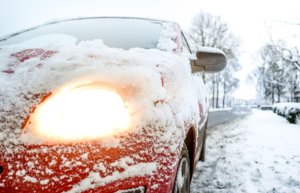
 As winter approaches, it’s essential to ensure that your vehicle is well-prepared for the challenges that colder weather can bring. One of the primary considerations for winterizing your car is checking the condition of your tires. Cold temperatures can lead to decreased tire pressure, so it’s crucial to monitor and adjust it regularly. Consider investing in winter tires, designed to provide better traction on snow and ice, enhancing your vehicle’s stability and safety in slippery conditions. Adequate tire tread depth is also vital, as it plays a crucial role in maintaining grip on icy roads.
Checking the Fluid Levels before Winter
Checking and maintaining fluid levels is another critical step in winter car preparation. Cold weather can impact your engine’s performance, making it essential to ensure that your vehicle has the right levels of antifreeze and coolant. Additionally, regularly check and top up your oil, brake fluid, and windshield washer fluid. Windshield visibility is crucial during winter, and having functioning wipers and an ample supply of washer fluid is essential for maintaining a clear view in adverse weather conditions. Ensure that the washer fluid you use has antifreeze properties to prevent freezing.
Inspect the Battery
The battery is often overlooked, yet it is a key component that can be significantly affected by winter conditions. Cold temperatures can reduce a battery’s efficiency, and an old or weak battery may struggle to start the engine in freezing weather. Consider having your battery tested, and if it’s nearing the end of its life, replacing it before winter arrives is a wise precaution. Additionally, keeping your gas tank at least half full during the winter helps prevent fuel line freeze-ups and ensures you have enough fuel in case of unexpected delays or emergencies.
Taking the time to get your car ready for winter is a proactive measure that can significantly enhance safety and performance during the colder months. From checking tire conditions and fluid levels to ensuring a reliable battery and keeping your gas tank adequately filled, these steps contribute to a well-prepared and resilient vehicle, ready to navigate winter’s challenges.