

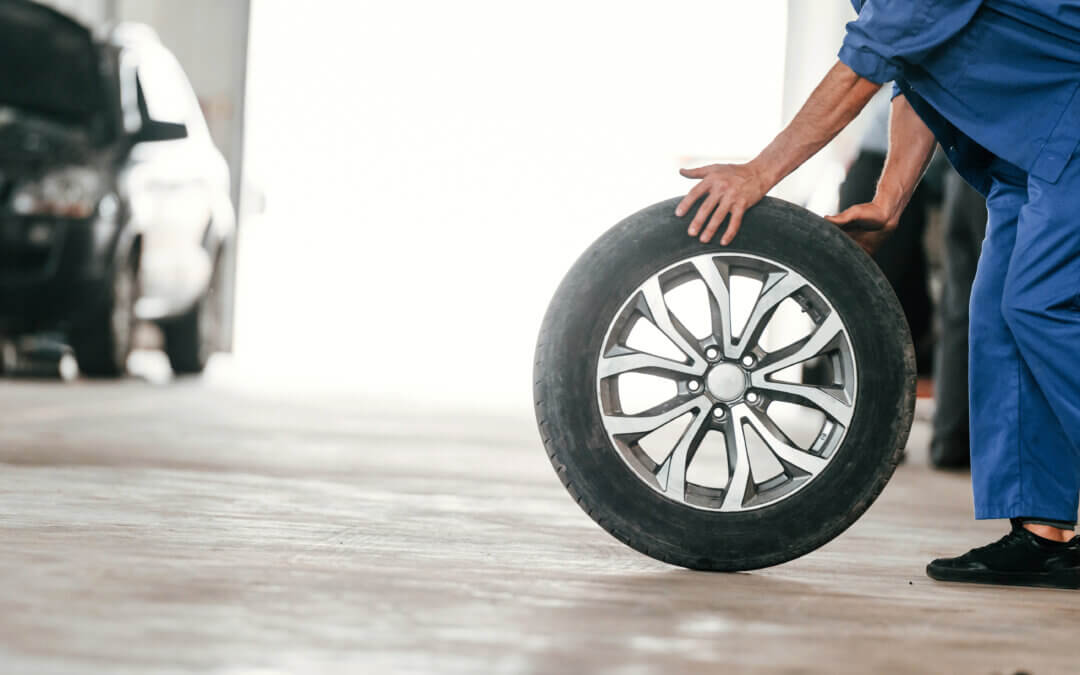
Tire and TPMS issues are some of the most common yet overlooked vehicle problems. When that little yellow horseshoe-shaped warning light flashes on your dashboard, it’s your vehicle’s way of telling you something important about your safety. Ignoring it—or not knowing what it means—can lead to poor fuel economy, reduced performance, or even a roadside emergency.
In this guide, we’ll walk you through the most common tire and TPMS issues, how to fix them, and how to stay ahead of problems—especially during the heat of summer. If you’re near Blaine, MN, the team at Service Garage of Blaine is here to help with fast diagnostics and professional tire service.
What is TPMS?
Your Tire Pressure Monitoring System (TPMS) is designed to alert you when your tire pressure drops below or rises above the recommended level. Since 2008, TPMS has been standard in most vehicles in the U.S.
There are two main types of TPMS:
-
Direct TPMS: Uses sensors inside each tire to measure pressure and send readings to your vehicle’s computer.
-
Indirect TPMS: Measures tire pressure by tracking wheel speed and comparing it between tires.
Both types will trigger a warning light if something is off. But the cause isn’t always obvious—and that’s where understanding tire and TPMS issues becomes essential.
Common Tire & TPMS Issues
1. Low Tire Pressure
The most common trigger for a TPMS light is underinflated tires. This can be caused by small leaks, slow deflation over time, or even heat-related expansion and contraction.
What to do:
-
Use a reliable tire pressure gauge to check each tire.
-
Inflate your tires to the recommended PSI (found in your vehicle’s door jamb).
-
Drive for a few miles; the light may turn off automatically. If not, a manual reset might be required.
2. Overinflated Tires
While less frequent, overinflated tires are also problematic. They reduce traction, cause uneven wear, and can result in a bumpy ride.
Fix:
-
Let air out slowly while checking pressure with a gauge.
-
Confirm that you’re using the cold PSI rating—not the maximum PSI on the tire sidewall.
3. Faulty or Dead TPMS Sensors
Like any electronic component, TPMS sensors can fail. Most sensors have a 5–10 year battery life, and can be damaged during tire changes or from corrosion.
Symptoms:
-
TPMS light remains on even after correcting pressure.
-
A single tire shows no reading or wildly incorrect readings.
Fix:
-
Visit a repair shop with TPMS diagnostic tools.
-
Replace and reprogram the faulty sensor(s).
4. Tire Punctures or Bead Leaks
Even a tiny puncture from a nail or screw can trigger the TPMS light. Leaks may also form around the rim, especially if there’s corrosion.
Fix:
-
Check for nails or embedded objects.
-
Spray soapy water around the valve stem and rim to check for bubbles.
-
Get punctures patched professionally or replace severely damaged tires.
5. Heat-Related Pressure Swings
In hot summer weather, tire pressure can rise significantly. Every 10°F increase in ambient temperature causes approximately a 1 PSI increase in pressure. If your tires were already near the upper limit, this could trigger an overinflation alert.
Fix:
-
Check your pressure early in the morning (when tires are cool).
-
Slightly deflate if pressure exceeds the recommended cold PSI.
-
Don’t reduce pressure too much during the day, as it may drop too low overnight.
How to Reset Your TPMS Light
If your TPMS light remains on after correcting tire pressure, it may require a system reset.
Most common method:
-
Ensure all tires (including the spare, if equipped with a sensor) are properly inflated.
-
Turn the ignition to the “ON” position without starting the engine.
-
Press and hold the TPMS reset button (often under the steering wheel) until the light blinks three times.
-
Start the car and drive for at least 15–30 minutes at 30+ mph.
Note: Some vehicles require a scan tool or dealership procedure. Always consult your owner’s manual for specifics.
Why Tire And TPMS Maintenance Matters
Your tires and TPMS are essential for:
-
Safety: Improper tire pressure affects braking distance, steering control, and risk of blowouts.
-
Fuel Efficiency: Underinflated tires increase rolling resistance, lowering miles per gallon.
-
Tire Life: Uneven pressure causes excessive wear on tire edges or centers.
-
Environmental Impact: Wasted fuel and worn-out tires contribute to pollution and waste.
Ignoring tire and TPMS issues not only costs you money—it puts you at risk on the road.
Summer Tire Tips for Minnesota Drivers
While winter brings its own challenges, summer driving introduces a different set of concerns for your tires:
1. Check Pressure During Heat Waves
High temperatures increase pressure. Overinflated tires can lead to:
-
Reduced traction
-
Increased wear in the center of the tread
-
Greater risk of blowouts on long road trips
Pro tip: Measure tire pressure in the morning before driving. Don’t deflate tires based on hot, post-driving readings.
2. Inspect Tire Tread Before Road Trips
Summer road trips mean longer hours on the road and higher speeds. Bald or uneven tread increases your risk of hydroplaning or blowouts.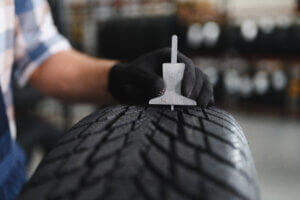
DIY test: Insert a penny headfirst into the tread. If you can see all of Lincoln’s head, it’s time to replace the tire.
3. Watch for “Heat Bubbling”
Extreme surface heat can cause soft spots or bubbles to form on older or damaged tires. If you see any bulging or distortion in the tire wall, get it inspected immediately.
4. Avoid Hot Pavement Hazards
In summer, road surfaces are hotter and more likely to have expanded cracks or sticky debris that can damage tires. Stay vigilant for:
-
Construction zones
-
Broken pavement
-
Sharp road debris
When to See a Professional
Some tire and TPMS issues can be handled at home—but others need expert attention. Visit a repair shop if:
-
Your TPMS light won’t turn off after pressure correction
-
Sensors need replacement or reprogramming
-
You suspect a slow leak or bead/rim corrosion
-
You’re unsure if tire wear is safe for continued use
-
You’re preparing for a long summer trip and want a full inspection
At Service Garage of Blaine, we use advanced tools to diagnose and resolve any tire or TPMS issue. We also offer pressure checks, rotations, patching, and new tire installations.
Preventative Maintenance Tips
To avoid tire and TPMS issues year-round:
-
Check tire pressure monthly, not just when the light comes on
-
Rotate your tires every 5,000–7,000 miles
-
Replace TPMS sensors every 5–10 years or during tire replacement
-
Clean valve stems and check for corrosion during seasonal maintenance
-
Schedule a multi-point inspection if you notice vibration or uneven wear
Final Thoughts
Your tires are your first line of defense on the road—and the TPMS is your first warning system when something goes wrong. Ignoring tire and TPMS issues can lead to costly repairs or dangerous situations.
If you’re dealing with a stubborn TPMS light, slow tire leak, or just want peace of mind before a summer road trip, visit Service Garage of Blaine. Our team of ASE-certified technicians is ready to help you get back on the road safely—with properly inflated, road-ready tires.
Book your appointment today and keep your tires rolling smoothly all summer long.
Sources
-
National Highway Traffic Safety Administration (NHTSA) – Overview of TPMS regulations and safety information:
https://www.nhtsa.gov/equipment/tire-pressure-monitoring-systems -
Tire Industry Association (TIA) – Tire pressure recommendations and TPMS guidelines:
https://www.tireindustry.org/tire-safety/tpms/ -
Tire Rack – Educational content on tire pressure, TPMS types, and seasonal effects:
https://www.tirerack.com/tires/tiretech/techpage.jsp?techid=44 -
Consumer Reports – Tips on maintaining proper tire pressure and dealing with TPMS lights:
https://www.consumerreports.org/cro/magazine/2015/05/how-to-keep-your-tires-in-top-shape/index.htm -
Car and Driver – Explanation of TPMS systems and troubleshooting advice:
https://www.caranddriver.com/research/a32814989/tpms-light/ -
Bridgestone Tires – Tire inflation and maintenance guides, including heat-related inflation insights:
https://www.bridgestonetire.com/learn/maintenance/tire-pressure/ -
AAA (American Automobile Association) – Road trip prep and tire safety tips for summer:
https://exchange.aaa.com/safety/roadway-safety/tire-safety/