

Every vehicle owner knows that oil is essential for a car, but not everyone understands the benefits of regular oil changes and how they extend engine life. Your engine is a complex system of moving parts, and oil serves as the lifeblood that keeps it running smoothly. Skipping oil changes may seem convenient, but it can lead to decreased performance, higher fuel consumption, and even costly engine repairs.
In this guide, we will explain why regular oil changes are critical, how they protect your engine, and the long-term benefits of maintaining this simple but vital service.
Why Engine Oil is Essential
Engine oil lubricates all the moving components inside your vehicle’s engine. Without sufficient lubrication, metal parts grind against each other, causing friction, overheating, and wear. Clean oil also helps:
-
Cool engine parts by carrying heat away from combustion areas.
-
Prevent corrosion by neutralizing acids and moisture that accumulate in the engine.
-
Remove contaminants such as dirt, carbon deposits, and metal particles.
-
Improve fuel efficiency by reducing friction and mechanical resistance.
When you understand the benefits of regular oil changes, it becomes clear that this simple maintenance task is one of the most effective ways to protect your engine.
How Regular Oil Changes Extend Engine Life
A properly maintained vehicle will last far longer than one with neglected maintenance. Here’s how regular oil changes directly contribute to engine longevity:
1. Reducing Engine Wear
Over time, oil breaks down and loses its lubricating properties. Old oil becomes thick, contaminated, and less effective. Without clean oil, friction between engine components increases, causing premature wear. By regularly changing your oil, you ensure that your engine parts are consistently protected, which extends overall engine life.
2. Preventing Overheating
Engine oil absorbs heat generated during combustion and movement. Dirty or old oil cannot effectively transfer this heat. If your engine runs hotter than intended, critical components like pistons, cylinders, and valves can warp or fail. Regular oil changes keep your engine cool and operating within safe temperatures.
3. Protecting Against Sludge Build-Up
Sludge forms when oil mixes with dirt, fuel, and combustion byproducts. Sludge can block oil passages, reduce lubrication, and cause engine parts to seize. Regular oil changes remove these contaminants, preventing buildup and ensuring that your engine runs smoothly over time.
4. Enhancing Fuel Efficiency
A well-lubricated engine operates with less friction, which improves fuel efficiency. Regular oil changes maintain optimal oil viscosity, allowing your engine to run efficiently. Over time, neglecting oil changes can result in higher fuel consumption and decreased performance.
5. Maintaining Engine Performance
Clean oil ensures that your engine can operate at peak performance. Engines with dirty or old oil may experience knocking, reduced power, and sluggish acceleration. Regular oil changes keep all moving parts properly lubricated, resulting in smoother performance and a more responsive driving experience.
How Often Should You Change Your Oil?
The frequency of oil changes depends on several factors, including your vehicle’s make and model, driving habits, and the type of oil you use. General guidelines include: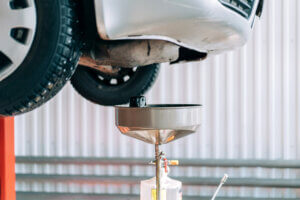
-
Conventional oil: Every 3,000–5,000 miles
-
Synthetic blend: Every 5,000–7,500 miles
-
Full synthetic oil: Every 7,500–10,000 miles
It’s important to consult your owner’s manual or an experienced technician to determine the best schedule for your vehicle. Following these recommendations ensures you fully benefit from regular oil changes.
Signs Your Vehicle Needs an Oil Change
Even if you follow a routine schedule, it’s important to watch for signs that your engine needs fresh oil. Indicators include:
-
Dark, dirty oil when checking the dipstick
-
Engine noise or knocking that wasn’t present before
-
Excessive exhaust smoke
-
Oil change warning light on the dashboard
Recognizing these signs and addressing them promptly ensures your engine remains protected and performs optimally.
Choosing the Right Oil
Not all engine oils are created equal. Selecting the correct type and grade of oil is critical to realizing the full benefits of regular oil changes.
-
 Conventional oil: Standard petroleum-based oil; suitable for older vehicles or engines without special requirements.
 -
Synthetic blend: A mix of conventional and synthetic oils; offers better protection at a moderate cost.
-
Full synthetic oil: Offers maximum engine protection, longer intervals between changes, and better performance under extreme temperatures.
Always use oil that meets the specifications recommended by your vehicle manufacturer to ensure engine longevity.
DIY vs. Professional Oil Changes
While changing your oil yourself is possible, a professional service offers several advantages:
-
Complete inspection: Technicians check for leaks, worn parts, and other potential issues.
-
Proper disposal: Professionals safely dispose of used oil, protecting the environment.
-
Warranty compliance: Many vehicles require professional oil changes to maintain warranty coverage.
Choosing a trusted service center ensures that you receive the full benefits of regular oil changes while keeping your engine in peak condition.
The Long-Term Cost Savings
Regular oil changes are a small investment compared to the cost of engine repairs or replacements. Neglecting oil maintenance can lead to:
-
Engine component wear and failure
-
Reduced fuel efficiency
-
Increased risk of engine overheating and damage
By keeping up with scheduled oil changes, you avoid costly repairs, extend engine life, and maintain the reliability of your vehicle. The benefits of regular oil changes far outweigh the modest cost of routine maintenance.
Seasonal Considerations
Minnesota’s extreme temperatures make oil maintenance even more important. Cold winters thicken oil, reducing its ability to lubricate effectively. Hot summers can accelerate oil breakdown. Adjusting your oil change schedule seasonally ensures your engine stays protected year-round.
-
Winter: Consider using synthetic oil for better cold-weather flow.
-
Summer: Ensure oil is fresh to handle higher operating temperatures.
Seasonal attention to oil changes is a simple way to maximize engine life and performance.
Environmental Benefits
Regular oil changes not only protect your engine but also contribute to a cleaner environment:
-
Reduced emissions: Clean oil allows the engine to operate efficiently, reducing harmful exhaust emissions.
-
Proper disposal: Professional oil change services recycle used oil, preventing environmental contamination.
Maintaining your engine with routine oil changes is a responsible choice for both your vehicle and the environment.
Conclusion
The benefits of regular oil changes cannot be overstated. From reducing wear and tear, preventing overheating, and avoiding sludge buildup, to improving fuel efficiency and maintaining engine performance, consistent oil changes are one of the most effective ways to extend the life of your vehicle.
By understanding the importance of oil maintenance, recognizing the signs your vehicle needs an oil change, and choosing the right type of oil, you protect your investment and enjoy a smoother, more reliable driving experience.
At Service Garage of Blaine, we provide professional oil change services that ensure your engine stays healthy, performs optimally, and lasts longer. Schedule your next oil change today and take advantage of the long-term benefits that come from proper vehicle maintenance. You can schedule your appointment with us here.
Sources
-
Fernandez Honda: This dealership outlines the top seven benefits of routine oil changes, including improved engine efficiency, better mileage, longer engine life, and environmental advantages. Fernandez Honda
-
Mercedes-Benz of Boerne: Highlights the significance of regular oil changes in maintaining engine performance and longevity, emphasizing the prevention of sludge buildup and engine wear. Mercedes-Benz of Boerne
-
Performance Honda Store: Discusses modern oil change intervals, noting that newer vehicles with synthetic oil can go 7,500 to 15,000 miles between changes, depending on driving conditions. Performance Honda
-
Ramona Tire: Explains how consistent oil changes can extend engine lifespan by boosting performance, protecting warranty coverage, and improving fuel efficiency. ramonatire.com
-
Chevron Lubricants: Provides insights into the importance of regular oil changes, detailing how clean oil keeps engines running smoothly and efficiently. Chevron Lubricants
-
Take 5 Oil Change: Lists ten reasons why regular oil changes are essential, including preventing engine wear, improving fuel efficiency, and enhancing overall vehicle performance. Take 5 Oil Change
-
AAA Auto Repair: Recommends oil changes every 5,000 to 7,500 miles, depending on the type of oil used and driving conditions, and advises consulting the vehicle’s owner’s manual for specific intervals. AAA
-
Progressive Life Lanes: Discusses how regular oil changes improve engine performance, extend its longevity, and help achieve peak gas mileage. Life Lanes
-
Consumer Reports: Highlights the benefits of synthetic oil in reducing sludge buildup and extending engine lifespan, especially in modern engines. Consumer Reports
-
Car and Driver: Offers guidance on oil change intervals, noting that modern engines can go 7,500 miles or more between changes, but severe driving conditions may require more frequent changes. Car and Driver