

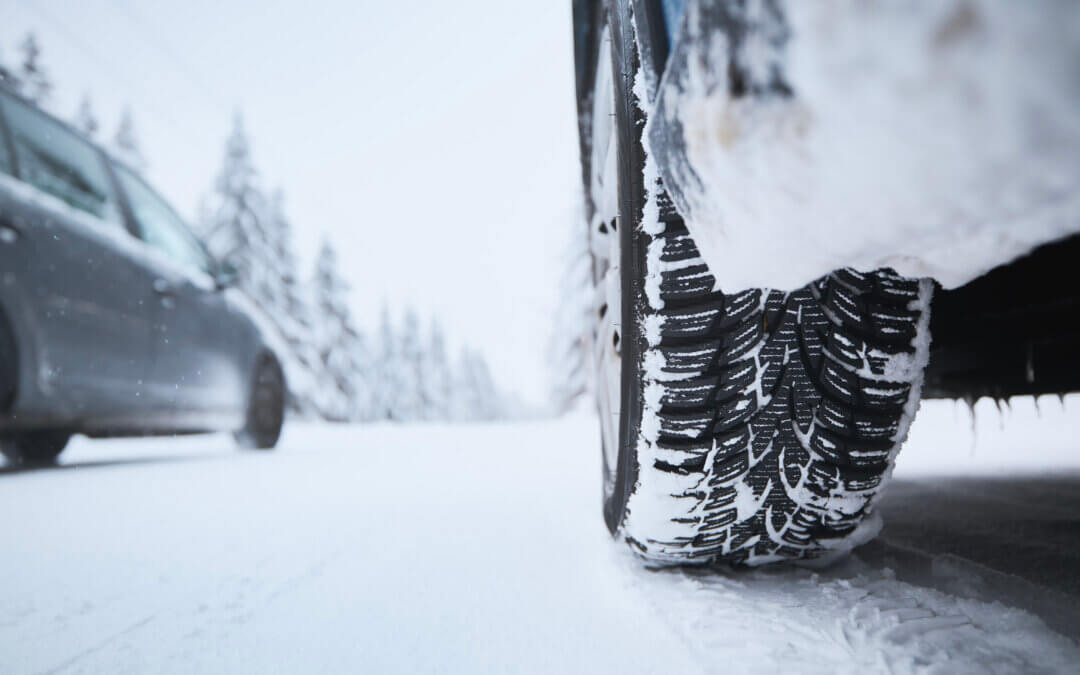
Minnesota winters are notoriously harsh. By mid-January, roads are often snow-covered or icy, temperatures have plunged well below freezing, and vehicles are under constant stress. For drivers in the North Star State, winter car maintenance is not optional—it’s essential. Even cars that performed flawlessly in fall can begin showing signs of wear and tear in mid-winter, making breakdowns, accidents, and costly repairs more likely.
This guide explains why winter car maintenance is critical in Minnesota, what systems require special attention, and the steps you should take now to keep your vehicle safe and reliable through the heart of the season.
Why Winter Car Maintenance Matters in Mid-Winter
Winter isn’t just cold; it’s mechanically demanding. Repeated freezing and thawing, road salt, and icy conditions accelerate wear on tires, brakes, engines, and electrical systems. By mid-winter, minor issues that were manageable in December can become serious safety hazards or expensive repairs.
Winter car maintenance matters now more than ever because it addresses problems before they leave you stranded in a snowstorm or stuck on an icy road. Even if you performed a pre-winter inspection, mid-winter maintenance catches issues caused by weeks of harsh driving conditions.
Key Systems to Inspect for Mid-Winter Winter Car Maintenance
Tires and Traction
Tires are your vehicle’s only contact with the road. Cold temperatures reduce tire pressure, worn tread compromises grip, and icy surfaces make traction more difficult. Mid-winter winter car maintenance should include:
-
Checking tire tread depth
-
Adjusting tire pressure
-
Inspecting for uneven wear or damage
-
Rotating tires if necessary
Well-maintained tires improve handling, reduce stopping distances, and help prevent skids and accidents on slick roads.
Battery and Electrical Systems
Car batteries lose significant power in cold weather, and mid-winter is often when batteries fail. Effective winter car maintenance includes:
-
Testing battery health
-
Cleaning terminals to prevent corrosion
-
Inspecting the charging system
If your battery is older than three years, consider replacing it mid-winter to avoid unexpected failures in subzero conditions.
Brakes
Ice and snow increase stopping distances, so your brakes must function at peak performance. Mid-winter winter car maintenance should include:
-
Inspecting brake pads and rotors
-
Checking brake fluid levels
-
Examining for leaks or unusual wear
Regular maintenance ensures safe, reliable stopping, even on slick roads.
Engine and Fluids
Cold temperatures affect engine oil, coolant, and other fluids. Winter car maintenance at this stage should include:
-
Checking oil level and viscosity for cold-weather performance
-
Inspecting coolant/antifreeze levels and mixture
-
Reviewing transmission and other essential fluids
Proper fluid care reduces engine strain and maintains reliability in extreme temperatures.
Heating, Defrosting, and Visibility
Visibility and cabin comfort are critical during mid-winter. A functioning heating and defrosting system is part of essential winter car maintenance:
-
Inspecting heater and blower operation
-
Ensuring windshield defrosters work properly
-
Replacing worn winter-grade wiper blades and topping off washer fluid
Maintaining these systems enhances safety and comfort during snowstorms and icy commutes.
Addressing Winter Wear and Tear
Winter accelerates wear on vehicles. Salt and moisture corrode metal, rubber components become brittle, and repeated freezing cycles stress electrical and mechanical parts. Mid-winter winter car maintenance should include inspections for:
-
Rust or corrosion on the undercarriage
-
Cracked hoses or worn belts
-
Electrical issues caused by moisture
Catching these issues early prevents costly repairs and extends the life of your vehicle.
Emergency Preparedness
Even with thorough winter car maintenance, mid-winter breakdowns can occur. A well-stocked winter emergency kit is essential:
-
Blankets or sleeping bags
-
Flashlight with extra batteries
-
Ice scraper and snow brush
-
Small shovel
-
Non-perishable snacks and water
-
Jumper cables
Preparedness ensures safety and peace of mind when unexpected situations arise.
Cost Benefits of Mid-Winter Winter Car Maintenance
Delaying maintenance often leads to higher costs. Small issues that could be addressed in January can escalate into major repairs by February. Mid-winter winter car maintenance matters for cost savings because it prevents:
-
Complete battery failures
-
Brake system damage
-
Engine or fluid-related problems
-
Corrosion and structural issues
Investing in maintenance now reduces emergency repairs and downtime during the coldest months.
Choosing the Right Service Provider
Selecting a trusted service provider is key. Look for shops that specialize in winter car maintenance with experience handling Minnesota’s extreme conditions, such as Service Garage of Blaine:
-
Comprehensive inspections and preventative services
-
Transparent pricing and detailed recommendations
-
ASE-certified technicians
-
Knowledge of vehicles operating in subzero temperatures
A skilled provider ensures your car remains safe and reliable throughout mid-winter.
Timing Your Mid-Winter Maintenance
Mid-winter is not too late for inspections. Even if you performed pre-winter maintenance, vehicles accumulate stress over the first several weeks of winter. Scheduling an inspection now ensures continued safety, peak performance, and reliable operation for the rest of the season.
Safe Mid-Winter Driving Practices
Maintenance matters, but driver habits also impact safety. Combine winter car maintenance with these practices:
-
Reduce speed on snow and ice
-
Increase following distances
-
Avoid sudden acceleration or braking
-
Use headlights in low visibility
-
Steer gently through turns
Together, good maintenance and safe driving dramatically reduce the risk of accidents.
Conclusion
Mid-winter in Minnesota presents serious challenges for drivers and vehicles alike. That’s why winter car maintenance is critical. Keeping tires, brakes, fluids, batteries, and heating systems in peak condition ensures safety, reliability, and peace of mind. Scheduling mid-winter maintenance now prevents breakdowns, reduces repair costs, and keeps your vehicle ready for the remaining months of harsh winter conditions.
Don’t wait for the next snowstorm to test your car. Prioritize winter car maintenance today and contact Service Garage of Blaine to schedule your inspection and keep your vehicle safe on Minnesota roads.
Further Reading
Road Trip Minnesota. “Winter Driving Tips.”
https://www.roadtripmn.com/winter-driving
AAA. “Cold Weather Car Care.”
https://exchange.aaa.com/automotive/maintenance/cold-weather-car-care/#
Edmunds. “Winter Car Maintenance Checklist.”
https://www.edmunds.com/car-care/winter-car-maintenance.html
Consumer Reports. “Winter Driving and Car Care.”
https://www.consumerreports.org/car-maintenance/winter-driving-tips