

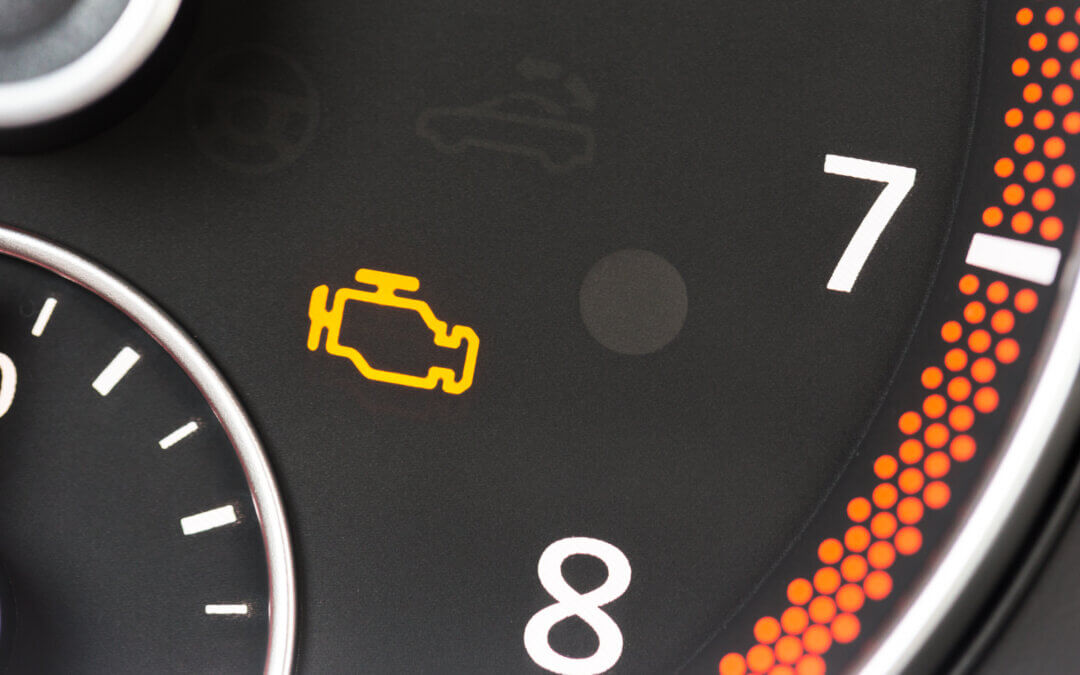
Few dashboard warnings cause more confusion or stress than the check engine light. It can appear suddenly, stay on constantly, or even flash without warning—leaving drivers unsure whether it’s a minor issue or a serious problem. Understanding check engine light diagnostics is essential for maintaining your vehicle’s performance, preventing costly repairs, and ensuring your safety on the road.
In modern vehicles, the check engine light is tied to your car’s onboard diagnostic system. When something is not functioning correctly, sensors detect the issue and trigger the warning light. However, the reason behind it can range from something simple like a loose gas cap to more serious engine or emissions system failures.
This guide explains what the check engine light means, the most common causes, how diagnostics work, and why professional check engine light diagnostics should never be ignored.
What the Check Engine Light Actually Means
Your vehicle is equipped with an onboard diagnostics system (OBD-II). This system constantly monitors engine performance, emissions, and key operating components. When it detects a problem outside normal parameters, it stores a diagnostic trouble code (DTC) and activates the check engine light.
 There are two types of warnings:
Solid Check Engine Light
A solid light typically indicates a non-emergency issue that still requires attention. You may be able to drive short distances, but you should schedule service soon.
Flashing Check Engine Light
A flashing light is more serious and usually indicates a severe engine misfire. This can cause damage to your catalytic converter or engine if not addressed immediately. In this case, stop driving as soon as it is safe and seek service.
Proper check engine light diagnostics are required to determine the exact cause.
Common Causes Behind a Check Engine Light
One of the most frustrating things about the check engine light is that it does not tell you exactly what is wrong. Instead, it signals that something needs attention. Here are some of the most common causes identified during check engine light diagnostics:
1. Loose or Faulty Gas Cap
This is one of the simplest and most common causes. A loose or damaged gas cap can allow fuel vapors to escape, triggering the warning light.
2. Oxygen Sensor Failure
Oxygen sensors measure the amount of unburned oxygen in the exhaust system. When they fail, fuel efficiency drops and emissions increase.
3. Catalytic Converter Issues
The catalytic converter helps reduce harmful emissions. Failure can lead to poor performance, reduced fuel economy, and costly repairs.
4. Mass Airflow Sensor Problems
This sensor measures the amount of air entering the engine to determine fuel mixture. A faulty sensor can cause poor acceleration and rough idling.
5. Spark Plug or Ignition Coil Issues
Worn spark plugs or faulty ignition coils can lead to engine misfires, reduced power, and increased fuel consumption.
6. Emissions System Faults
Modern vehicles rely heavily on emissions systems. Any malfunction can trigger the check engine light.
Only professional check engine light diagnostics can accurately determine which issue is affecting your vehicle.
Why You Should Never Ignore the Check Engine Light
Ignoring the check engine light can lead to more serious problems over time. Even if your vehicle seems to be running fine, underlying issues may be developing.
Delaying check engine light diagnostics can result in:
- Reduced fuel efficiency
- Increased emissions
- Engine performance problems
- Expensive component damage
- Failed emissions tests
- Sudden breakdowns
What starts as a minor issue can quickly turn into a major repair if left unaddressed.
How Check Engine Light Diagnostics Work
Professional check engine light diagnostics involve using specialized scanning tools that connect to your vehicle’s OBD-II system. This process allows technicians to retrieve stored trouble codes and analyze system data.
A typical diagnostic process includes:
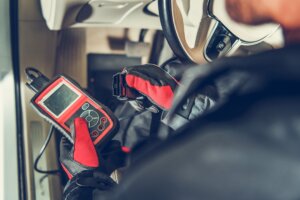 Step 1: Scanning the System
A diagnostic scanner retrieves error codes from the vehicle’s computer.
Step 2: Interpreting Codes
Each code corresponds to a specific system or component, but does not always identify the exact problem.
Step 3: Physical Inspection
Technicians inspect related components to confirm the root cause.
Step 4: Testing Systems
Additional tests may be performed to verify sensor function, fuel system performance, or electrical integrity.
Step 5: Repair Recommendations
Once the issue is identified, the technician provides repair options and cost estimates.
Accurate check engine light diagnostics require both technology and expert interpretation.
The Importance of Professional Diagnostics
While handheld code readers are widely available, they only provide basic information. They cannot diagnose the full scope of a problem or detect underlying issues.
Professional check engine light diagnostics offer:
- Advanced scanning tools with manufacturer-level data
- Accurate identification of root causes
- Full system inspections
- Preventative recommendations
- Proper repair guidance
Misinterpreting a code or guessing the issue can lead to unnecessary repairs and higher costs.
Check Engine Light and Minnesota Driving Conditions
In Minnesota, extreme temperatures and seasonal changes can contribute to check engine light issues. Cold weather affects sensors, batteries, and fuel systems. Road salt and moisture can also impact electrical components.
Common winter-related triggers include:
- Weak battery voltage affecting sensors
- Moisture in electrical connectors
- Fuel system stress in cold starts
- Exhaust system inefficiencies
This makes regular check engine light diagnostics especially important during colder months.
Cost of Ignoring Diagnostics
Many drivers delay diagnostics because the car still “seems fine.” However, this often leads to higher repair costs later.
For example:
- A faulty oxygen sensor can eventually damage the catalytic converter
- Ignoring a misfire can lead to engine damage
- Small vacuum leaks can worsen fuel efficiency over time
Timely check engine light diagnostics help identify small problems before they escalate into major repairs.
Preventing Future Check Engine Light Issues
 While not all issues are preventable, regular maintenance can reduce the likelihood of warning lights appearing.
Preventative steps include:
- Routine oil changes
- Replacing air and fuel filters
- Keeping up with spark plug maintenance
- Ensuring proper tire and engine performance checks
- Using quality fuel
Preventative care reduces stress on your vehicle’s systems and supports long-term reliability.
When to Seek Immediate Service
You should seek immediate check engine light diagnostics if you notice:
- Flashing check engine light
- Loss of engine power
- Rough idling or shaking
- Strange smells from the exhaust
- Sudden drop in fuel efficiency
These symptoms often indicate serious issues that require prompt attention.
Conclusion: Don’t Ignore the Warning
The check engine light is your vehicle’s early warning system, designed to alert you when something isn’t operating correctly. While it may sometimes indicate a minor issue like a loose gas cap, it can also signal more serious engine, emissions, or electrical problems that should not be ignored.
The only reliable way to determine the cause is through professional check engine light diagnostics. These tests allow technicians to read system codes, inspect related components, and pinpoint the exact issue instead of guessing. Addressing problems early helps prevent further damage, improves fuel efficiency, and saves you money on more costly repairs down the road.
If your check engine light is on—whether solid or flashing—it’s best to have it checked as soon as possible. Early diagnostics are the key to keeping your vehicle safe, reliable, and running at peak performance.
Contact us here to schedule your service and get expert check engine light diagnostics from the team at Service Garage of Blaine.
Further Reading
NHTSA – Vehicle Diagnostic Systems
https://www.nhtsa.gov/equipment/diagnostic-tools
AAA – Check Engine Light Guide
https://www.aaa.com/autorepair/articles/what-does-the-check-engine-light-mean
Consumer Reports – Check Engine Light Causes
https://www.consumerreports.org/cars/car-maintenance/what-does-the-check-engine-light-mean-a1463632386/
Car Care Council – Engine Diagnostics
https://www.carcare.org/check-engine-light/