

When temperatures drop in Minnesota, your car’s reliability is put to the ultimate test. The combination of freezing temperatures, ice, and moisture doesn’t just make driving difficult—it also puts tremendous strain on your battery and starting system. There’s nothing more frustrating than walking out to a dead car on a subzero morning.
Understanding how your battery and starting system work—and how cold weather impacts them—can help you avoid the hassle and expense of an unexpected breakdown. This guide explains what causes battery and starting system problems, the warning signs to watch for, and practical tips for prevention and maintenance.
Why Cold Weather Is So Hard on Your Battery
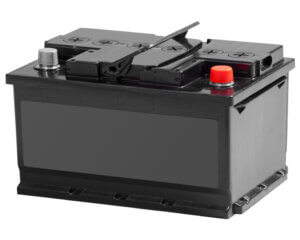 A vehicle’s battery is designed to store and deliver power to start the engine, run lights, and power accessories. But cold weather drastically reduces a battery’s ability to hold and deliver charge.
At 32°F, a car battery loses about 35% of its strength, and at 0°F, it can lose up to 60%. Meanwhile, your engine oil thickens in the cold, making your starter work harder. This means your battery has to do more with less power—often resulting in a sluggish or failed start.
Additionally, alternators and voltage regulators can suffer in extreme cold, causing the battery to charge slowly or unevenly. Over time, repeated deep discharges from cold starts can shorten a battery’s lifespan.
How the Starting System Works
The starting system is composed of several key components that must all work in sync: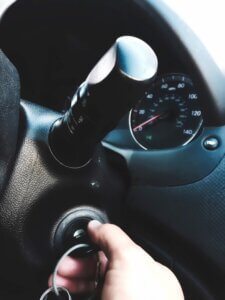
-
Battery: Provides the initial power to crank the engine.
-
Starter Motor: Uses power from the battery to turn over the engine.
-
Ignition Switch: Sends the signal to the starter motor.
-
Alternator: Recharges the battery after the engine starts.
If any one of these components is weak or damaged, you may experience starting problems—especially in cold Minnesota weather.
Common Battery & Starting System Problems in Cold Weather
Here are the most frequent issues drivers face in the winter months:
1. Weak or Dead Battery
This is the number one reason vehicles fail to start in the cold. If your car cranks slowly or the lights dim when you turn the key, it’s a sure sign your battery is struggling.
2. Corroded or Loose Battery Connections
Cold weather can cause metal to contract, loosening battery terminals. Corrosion buildup on terminals also impedes electrical flow, weakening your starting system.
3. Failing Alternator
If your alternator can’t properly charge the battery, you’ll be stuck with a drained battery even after a long drive. A failing alternator often causes dimming headlights, dashboard warning lights, or intermittent electrical failures.
4. Faulty Starter Motor
When you hear a clicking sound but the engine doesn’t turn over, the starter motor may be malfunctioning. Cold temperatures make starters work harder, so issues often appear in winter.
5. Old Battery
Most car batteries last three to five years. If yours is older, cold weather will expose its weaknesses quickly. Testing your battery before winter hits is a smart preventive step.
Warning Signs Your Battery or Starting System Is Failing
Being proactive can save you a lot of headaches. Watch for these signs that your battery or starting system needs attention:
-
Engine cranks slowly or not at all.
-
Dashboard battery or charging system light is on.
-
Headlights dim when idling.
-
Electrical accessories malfunction (radio, windows, or seat heaters).
-
You hear a clicking sound when you turn the key.
-
Corrosion or buildup on battery terminals.
If you notice any of these issues, have your battery and starting system checked right away—especially if you live in or around Blaine, Minnesota, where winter temperatures can plummet quickly.
Preventing Battery & Starting System Problems in Cold Weather
Taking preventive steps can greatly reduce the risk of getting stranded. Here’s how to keep your car running strong all winter long.
1. Test Your Battery Regularly
Have your battery tested at least twice a year—before and after winter. Most auto repair shops can check voltage, load capacity, and overall health in minutes.
2. Keep Terminals Clean and Tight
Corrosion on terminals restricts the flow of electricity. Use a wire brush or battery terminal cleaner to keep them free of buildup. Make sure the connections are snug.
3. Limit Short Trips in Cold Weather
Short drives don’t give your alternator enough time to fully recharge the battery. If possible, combine errands to allow longer drives that restore battery charge.
4. Use a Battery Maintainer
For vehicles that sit for long periods, like during extreme cold spells, use a battery maintainer or trickle charger to keep it fully charged.
5. Park in a Garage or Use an Engine Block Heater
Keeping your vehicle in a warmer environment or using an engine block heater makes cold starts easier on both your battery and starter.
6. Replace an Aging Battery Before It Fails
Don’t wait for your battery to die on a frigid morning. If it’s more than three years old, consider replacing it proactively—especially before Minnesota’s winter hits hard.
How a Professional Battery & Starting System Inspection Helps
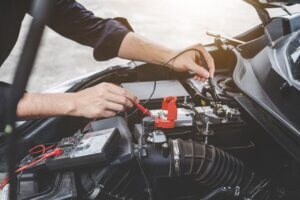
A professional inspection goes beyond simply testing voltage. At Service Garage of Blaine, a trained technician will:
-
Perform a load test to determine the battery’s true health.
-
Check for corrosion, frayed cables, or loose terminals.
-
Measure alternator output and voltage regulator performance.
-
Inspect the starter motor for draw and efficiency.
-
Evaluate the entire charging system under real operating conditions.
This full-system approach helps catch small issues before they become major repair bills.
Why Cold-Climate Maintenance Matters
In Minnesota’s extreme weather, small electrical issues can quickly escalate. A weak battery may still start the car on a mild 30°F day but fail completely at -10°F. Cold starts also place extra stress on your alternator and starter, increasing the likelihood of failure over time.
Regular inspections and maintenance help ensure your car starts every time you turn the key—no matter how harsh the winter.
When to Replace Your Battery
If your battery is nearing the end of its life, replacing it before winter is often the most cost-effective choice. Here’s what to consider:
-
Age: Replace after three to five years.
-
Type: Cold Cranking Amps (CCA) rating matters—choose one rated for Minnesota’s temperatures.
-
Brand Quality: Cheap batteries may not withstand harsh winter conditions.
-
Warranty: Look for a battery with a solid warranty for peace of mind.
Having a fresh, high-quality battery ensures you won’t be left stranded when temperatures drop below freezing.
Cost of Battery & Starting System Repairs
Prices vary depending on the vehicle, but here’s a general range:
-
Battery replacement: $120–$250 (depending on size and CCA rating).
-
Alternator replacement: $400–$800.
-
Starter replacement: $300–$600.
-
Full system diagnostic: $50–$150 (often credited toward repair).
Keeping your system in good shape can prevent costly repairs and extend the life of your electrical components.
Final Thoughts
Cold weather can be brutal on vehicles, but understanding your battery and starting system—and taking preventive measures—can save you from getting stranded on an icy Minnesota morning. Routine inspections, battery testing, and timely replacements are key to keeping your vehicle reliable all winter long.
If you notice sluggish starts or warning lights, don’t wait until your car refuses to start. Visit Service Garage of Blaine for a full battery and starting system check. Our certified technicians use advanced diagnostic tools to ensure your vehicle’s electrical system performs optimally in every season.
Schedule an appointment here today to stay ahead of cold-weather car trouble and keep your vehicle running strong all winter.
Further Reading
If you’d like to learn more about how cold weather affects your battery and starting system, check out these reliable sources: