

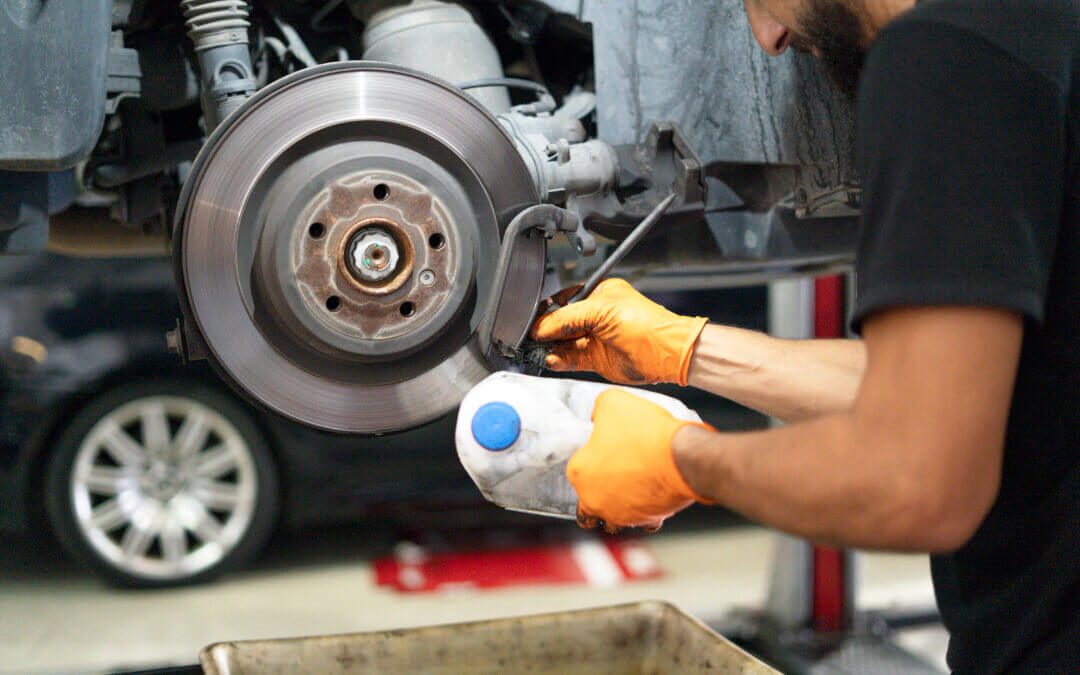
Your vehicle’s braking system is one of its most critical safety components. Whether you’re navigating busy city streets, cruising highways, or driving through harsh Minnesota winters, reliable brake services ensure you can stop quickly and safely. Ignoring brake issues doesn’t just increase repair costs — it puts you, your passengers, and other drivers at risk.
This comprehensive guide explains what brake services include, common warning signs, how often you should service your brakes, and why professional inspections are vital for long-term vehicle safety.
Why Brake Services Matter
Your brakes are responsible for converting motion into stopping power through friction. Over time, components wear down due to heat, pressure, and environmental conditions. Without routine brake services, worn parts can reduce stopping ability, damage other components, and lead to expensive repairs.
In Minnesota especially, brake systems face additional strain from snow, ice, moisture, and road salt. These conditions accelerate corrosion and wear, making regular inspections even more important.
Proper brake services help:
-
Maintain optimal stopping power
-
Prevent uneven wear and vibration
-
Protect expensive components like rotors and calipers
-
Improve overall driving safety
-
Extend the lifespan of your braking system
Understanding the Components of Your Brake System
To appreciate the value of brake services, it helps to understand the key parts involved:
Brake Pads
Brake pads press against the rotors to create friction and slow the vehicle. They naturally wear down over time and must be replaced periodically.
Brake Rotors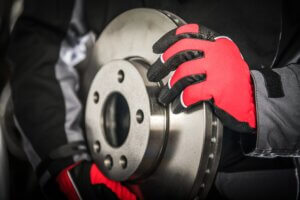
Rotors are metal discs attached to each wheel. When brake pads press against them, the vehicle slows down. Warped or damaged rotors can cause vibration and reduced braking efficiency.
Brake Calipers
Calipers house the brake pads and use hydraulic pressure to squeeze them against the rotors.
Brake Fluid
Brake fluid transfers force from your brake pedal to the braking components. Low or contaminated brake fluid can compromise performance.
Brake Lines and Hoses
These deliver hydraulic pressure throughout the system. Leaks or cracks can lead to dangerous failures.
Professional brake services inspect all of these components to ensure everything functions properly.
Warning Signs You Need Brake Services
Your vehicle will often provide warning signs when brake services are needed. Paying attention to these signals can prevent more serious issues:
Squeaking or Squealing Sounds
High-pitched noises often indicate worn brake pads. Many pads are designed with wear indicators that create noise when replacement is necessary.
Grinding Noises
Grinding may mean the brake pads are completely worn down, causing metal-to-metal contact. Immediate brake services are essential to prevent rotor damage.
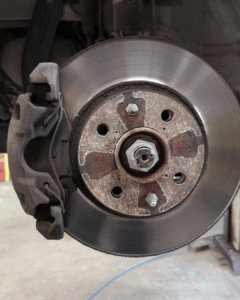
Vibrations When Braking
If you feel shaking or pulsing through the steering wheel or brake pedal, it may indicate warped rotors.
 Soft or Spongy Brake Pedal
A soft pedal can signal air in the brake lines or low brake fluid, both requiring prompt attention.
Vehicle Pulling to One Side
Uneven brake wear or a stuck caliper can cause pulling during braking.
Brake Warning Light
Dashboard warning lights should never be ignored. They indicate a system issue that needs professional diagnosis.
If you notice any of these symptoms, scheduling brake services right away can prevent further damage.
How Often Should You Schedule Brake Services?
There is no universal mileage interval for brake services because wear depends on driving habits, terrain, and environmental conditions. However, general guidelines include:
-
Brake pad replacement every 30,000 to 70,000 miles
-
Brake fluid replacement every two to three years
-
Inspections at least once per year
Drivers in colder climates like Minnesota may require more frequent brake services due to increased exposure to moisture and salt.
What Happens During Professional Brake Services?
A thorough brake service appointment typically includes: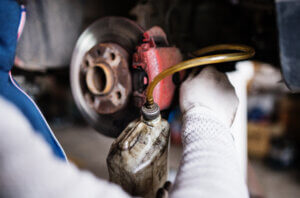
-
Inspection of brake pads and rotors
-
Measurement of pad thickness
-
Evaluation of rotor condition
-
Inspection of calipers and hardware
-
Brake fluid level and condition check
-
Testing overall braking performance
If necessary, technicians may replace pads, resurface or replace rotors, flush brake fluid, or repair damaged components.
Routine brake services not only fix current issues but also identify potential problems before they become serious.
The Impact of Minnesota Winters on Brake Systems
Cold weather and winter road conditions can accelerate brake wear. Snow and ice require more frequent braking, increasing friction and heat. Road salt can corrode metal components, including calipers and rotors.
Moisture accumulation may also contaminate brake fluid over time. Because brake fluid is hygroscopic (it absorbs moisture), regular fluid inspections are an essential part of brake services.
Scheduling inspections before and after winter helps maintain performance and prevent corrosion-related damage.
The Cost of Delaying Brake Services
Some drivers postpone brake services to save money. However, delaying maintenance often increases repair costs. For example:
-
Worn brake pads can damage rotors, requiring replacement instead of simple pad changes.
-
Ignoring fluid leaks can cause complete brake failure.
-
Delayed service can compromise safety and lead to accidents.
Routine brake services are a preventive investment that protects both your wallet and your well-being.
Brake Services and Driving Habits
Your driving style plays a significant role in brake wear. Frequent hard braking, stop-and-go traffic, and towing heavy loads accelerate wear.
To extend the life of your brakes:
-
Maintain safe following distances
-
Avoid sudden stops when possible
-
Reduce speed gradually
-
Limit unnecessary heavy loads
Even with careful driving, regular brake services remain essential for safety.
Why Professional Brake Services Matter
While some maintenance tasks can be performed at home, brake systems require precision and expertise. Professional brake services ensure:
-
Accurate diagnosis of issues
-
Proper installation of components
-
Use of quality replacement parts
-
Safe disposal of old brake materials
-
Compliance with manufacturer specifications
Trained technicians understand how each component works together and can ensure your system performs optimally.
Preventative Maintenance and Long-Term Safety
Brake services are part of a larger preventative maintenance plan. Combining brake inspections with tire checks, fluid inspections, and suspension evaluations provides a comprehensive safety approach.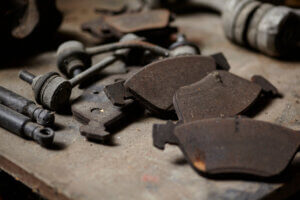
Regular preventative care offers:
-
Peace of mind
-
Improved vehicle performance
-
Lower long-term repair costs
-
Enhanced resale value
When brakes function correctly, every drive becomes safer and more predictable.
Conclusion: Schedule Your Brake Services Today
Your brakes are not something to gamble with. Consistent brake services ensure your vehicle stops reliably in all conditions, especially during challenging Minnesota winters. Addressing warning signs early, maintaining fluid levels, and scheduling professional inspections protect both your vehicle and your passengers.
If you’ve noticed unusual noises, vibrations, or dashboard warning lights — or if it’s simply been a while since your last inspection — now is the time to act.
Schedule your appointment here today, and let experienced professionals ensure your braking system is ready for the road ahead.
Further Reading
National Highway Traffic Safety Administration. “Brake Safety Information.”
https://www.nhtsa.gov/road-safety/brakes
AAA. “Brake Maintenance and Safety.”
https://exchange.aaa.com/automotive/maintenance/brake-maintenance/
Consumer Reports. “When to Replace Brake Pads and Rotors.”
https://www.consumerreports.org/cars/car-maintenance/when-to-replace-brake-pads-and-rotors/
Car Care Council. “Brake System Maintenance.”
https://www.carcare.org/brakes/