

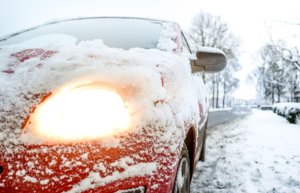
 Driving on icy or snow-covered roads demands a unique set of skills and precautions from drivers. As winter descends and road conditions become hazardous, it’s crucial to adopt safe driving practices to ensure a secure journey. Here are some essential tips for driving on ice or snow.
Remember to Reduce your Driving Speed
Reducing speed is important. Slowing down allows for better control and reaction time, mitigating the risk of skidding or losing traction on slippery surfaces. It’s advisable to drive well below the posted speed limit, particularly when encountering icy patches or snow-covered roads. Additionally, maintaining a safe following distance between vehicles is essential, providing ample space for braking and maneuvering. Gentle and gradual movements when accelerating, braking, and steering help maintain traction and stability, minimizing the likelihood of accidents.
Be Careful on the Roads
Also, adapt your driving technique to suit the conditions. When approaching turns or bends, it’s crucial to brake gently before entering and maintain a steady speed throughout the maneuver. Sudden changes in direction or speed can lead to loss of traction and control, particularly on icy surfaces. In the event of a skid, remaining calm and steering in the direction you want to go without overcompensating is crucial. Utilizing lower gears when ascending or descending hills can provide better traction and control, reducing the risk of wheel spin. Additionally, staying vigilant for black ice, which is often transparent and difficult to detect, is essential, especially on shaded areas, bridges, and overpasses where it commonly forms.
Remember, preparation and awareness are key components of safe winter driving. Before embarking on a journey, checking weather forecasts and road conditions is essential, allowing drivers to make informed decisions about their route and travel plans. Informing someone of your intended route and estimated arrival time is advisable, particularly when traveling through remote or isolated areas. Carrying an emergency kit stocked with essentials such as blankets, non-perishable food, water, a flashlight, and a first aid kit is essential for handling unexpected situations. By adhering to these tips and exercising caution, drivers can navigate icy or snow-covered roads safely and confidently.