

If you’ve been asking yourself why is my car making a grinding noise, you’re not alone. It’s one of the most common and most concerning sounds drivers experience. Grinding noises usually indicate that metal components are rubbing together in ways they shouldn’t—and that often means damage is already happening.
Ignoring the problem can turn a simple repair into an expensive one fast. In this guide, we’ll break down exactly why your car is making that grinding noise, what it could mean depending on when it happens, and what you should do next.
What Does a Grinding Noise Mean?
When you hear grinding, it typically means metal-on-metal contact. That’s rarely a good sign. In most cases, something has worn down, broken, or shifted out of place.
If you’re wondering why is my car making a grinding noise, the answer depends on when the noise occurs:
- When braking
- When accelerating
- When turning
- While driving steadily
- When shifting gears
Each scenario points to a different underlying issue.
1. Grinding Noise When Braking
The most common reason people search why is my car making a grinding noise is because they hear it when they hit the brakes.
Likely Causes: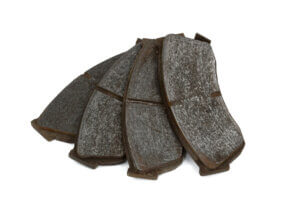
- Worn brake pads
- Damaged brake rotors
- Debris stuck between rotor and pad
- Caliper issues
What’s Happening:
Brake pads are designed with a friction material that wears down over time. Once that material is gone, the metal backing plate grinds directly against the rotor.
Why It Matters:
- Rapid rotor damage
- Reduced stopping power
- Increased repair costs
What to Do:
If the grinding happens when braking, stop driving and have your brakes inspected immediately.
2. Grinding Noise When Accelerating
If you notice the noise while pressing the gas, you may be dealing with drivetrain or transmission issues.
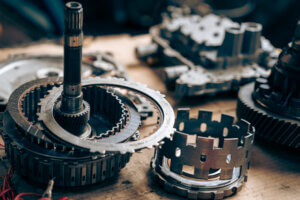 Possible Causes:
- Worn transmission gears
- Low or contaminated transmission fluid
- Failing differential
- Worn CV joints
What’s Happening:
Internal components aren’t lubricated properly or are physically damaged, causing grinding as they move under load.
Why It Matters:
- Can lead to full transmission failure
- Repairs become significantly more expensive over time
What to Do:
This isn’t something to wait on—get a diagnostic done as soon as possible.
3. Grinding Noise When Turning
If you’re hearing grinding when turning, especially at low speeds or tight turns, the issue may be in your suspension or axle components.
Likely Causes: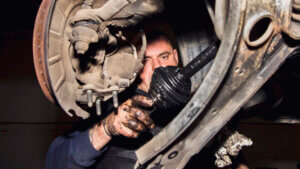
- Worn CV joints
- Bad wheel bearings
- Steering system issues
What’s Happening:
Components responsible for transferring power and allowing smooth turning are worn or failing.
Why It Matters:
- Loss of control risk
- Potential breakdown
What to Do:
Have your suspension and drivetrain inspected before the problem worsens.
4. Grinding Noise When Shifting Gears
If your vehicle grinds when shifting—especially in a manual transmission—it’s often related to internal transmission wear.
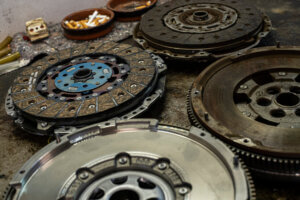 Possible Causes:
- Worn clutch
- Damaged synchronizers
- Low transmission fluid
What’s Happening:
The transmission is struggling to engage gears smoothly, causing grinding between gear teeth.
Why It Matters:
- Leads to transmission damage
- Can result in total gear failure
What to Do:
Avoid forcing shifts and schedule a professional inspection.
5. Grinding Noise While Driving (Constant Noise)
If you hear grinding even when you’re not braking, accelerating, or turning, it could be something more persistent.
Possible Causes:
- Debris caught in brake components
- Failing wheel bearings
- Damaged heat shield
What’s Happening:
Something is continuously rubbing or scraping as your wheels move.
Why It Matters:
- Can escalate into more serious damage
- May affect multiple systems
Can I Keep Driving If My Car Is Making a Grinding Noise?
Short answer: you shouldn’t.
If you’re still wondering why is my car making a grinding noise, it’s important to understand that this sound is almost always a warning sign that damage is already occurring.
Continuing to drive can:
- Turn a small repair into a much larger expense
- Lead to unsafe driving conditions
- Cause sudden failure of critical components
How Much Will It Cost to Fix?
Costs depend entirely on the cause:
- Brake pads replacement: $150–$400
- Brake pads + rotors: $300–$800
- Wheel bearing replacement: $300–$700
- CV joint repair: $300–$1,000
- Transmission repair: $1,500–$4,000+
Catching the issue early is the best way to keep costs down.
How to Prevent Grinding Noises
Preventative maintenance plays a huge role in avoiding these issues.
Key Tips:
- Get regular brake inspections
- Replace worn components early
- Check fluid levels regularly
- Listen for unusual sounds and act quickly
- Follow your vehicle’s maintenance schedule
Final Thoughts
If you’ve been asking why is my car making a grinding noise, the most important takeaway is this: don’t ignore it. Grinding is one of the clearest signs that something is wrong and needs immediate attention.
The longer you wait, the worse—and more expensive—the problem becomes. Whether it’s worn brake pads, a failing bearing, or a transmission issue, early diagnosis is key to protecting your vehicle and your wallet.
If you’re hearing a grinding noise and aren’t sure what’s causing it, the best move is to have it inspected by a professional. Our team is here to help diagnose the issue quickly and get you safely back on the road. If you’re experiencing this problem, contact us here to schedule an inspection and we’ll take care of the rest.
Further Reading
- National Highway Traffic Safety Administration – Brake system safety
https://www.nhtsa.gov/road-safety/brakes - AAA – Car maintenance tips
https://exchange.aaa.com/automotive/ - Car Care Council – Preventative maintenance
https://www.carcare.org/